
Charlotte’s Affordable Housing Boom
Charlotte’s Housing Boom Is Changing the Market — and Making Room for More Affordable Options
Charlotte’s housing landscape is in the midst of a dramatic shift, driven by one of the fastest rates of affordable housing construction in the nation. According to a recent analysis, the Charlotte metro area saw 6,078 affordable apartments completed between 2020 and 2024, a 191% increase compared with the previous five years — placing the region third-fastest nationwide for affordable construction growth behind only San Antonio and Phoenix. Over that period, affordable units accounted for roughly 11% of all new apartment construction in Charlotte, even as the overall pace of development surged.
This local trend mirrors a broader national surge: across the U.S., developers delivered a record ~91,000 affordable rental units in 2024, the highest annual total in a decade. In markets like Charlotte — bolstered by public funding, tax incentives, and growing state and local housing programs — the emphasis on income-restricted housing is helping cushion the effects of rapid growth.
At the same time, Charlotte’s overall development pipeline remains massive. A recent “State of the Center City” outlook shows about $2.4 billion in planned construction in Uptown, South End and Midtown through 2027 — including nearly 4,900 new apartments alongside offices, hotels and retail projects. While this total is slightly lower than previous boom years, it still points to sustained expansion across the region.
That construction growth is already reshaping the rental market. Charlotte-area rents have eased recently, with the latest data showing a year-over-year decline of about 1.4 % in median asking rents for 0-to 2-bedroom units, as the surge in new housing creates more options for renters and reduces upward pressure on prices. The typical rent in late 2025 hovered around $1,498 per month, down from earlier peaks — even though affordability challenges remain acute for many households.
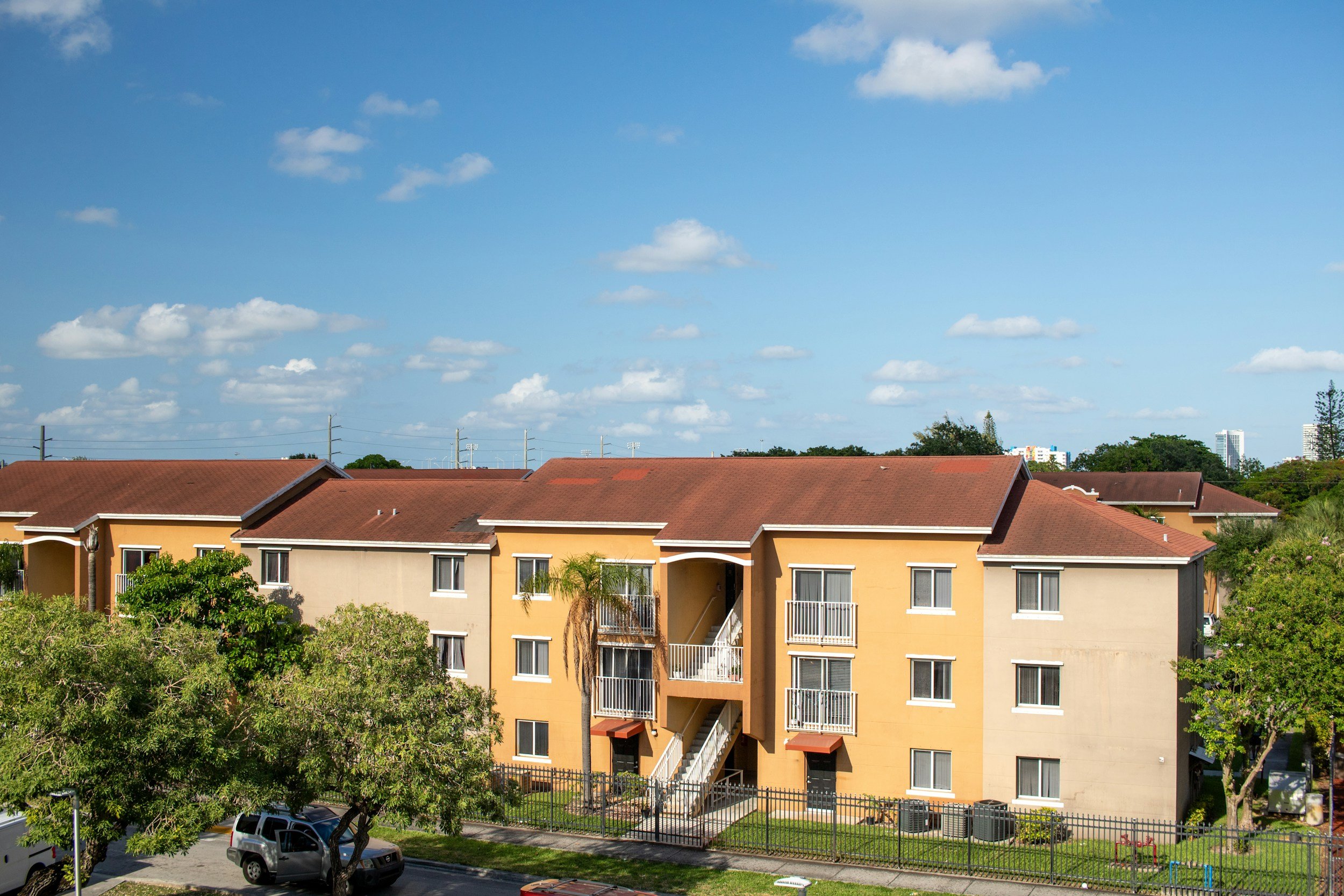
This combination — more housing supply, and cooler rent trends — suggests a market in transition. But it also raises big questions about whether Charlotte needs all this new housing just yet. Some local analysts warn that inventory has outpaced demand in key segments, pushing up vacancy rates in recently delivered buildings and prompting concessions from landlords. While more apartments can improve affordability, they also risk oversaturating parts of the market if absorption doesn’t keep pace with deliveries.
Charlotte’s growth has helped ease some price pressures and brought unprecedented affordable housing production to a rapidly expanding metro. But as the tide of new units continues to rise, policymakers and planners will need to ensure that supply lines up with demand.